


Between September 14–18, the 53rd World Congress of the International Association of Hydrogeologists (IAH) convened in Budapest to discuss the future of groundwater, water scarcity, adaptation to climate change, and opportunities for sustainable water management. About 856 experts arrived from more than 70 countries to attend the event.
At the opening ceremony of the world congress, speakers included Anita Orbán, Minister of Foreign Affairs; Lénárd Darázs, rector of ELTE; Mihály Pósfai, president of the Hungarian Academy of Sciences; Balázs Horváth, Deputy State Secretary for Water Affairs; Judit Szőnyi, Vice-Rector for General Affairs of ELTE and Chair of the IAH 2026 Scientific Committee; and Teodóra Szőcs, President of the IAH. Abou Amani, Director of the Water Science Division at UNESCO, greeted congress participants with a video message. The chief organizer of the congress was Anita Erőss, researcher at ELTE.
Groundwater is invisible from the surface, but its significance is becoming increasingly visible. Droughts, water scarcity, changing rainfall patterns, and growing global water demand are focusing attention on those groundwater resources that are vital for drinking water supply, agriculture, ecosystems, and energy production.
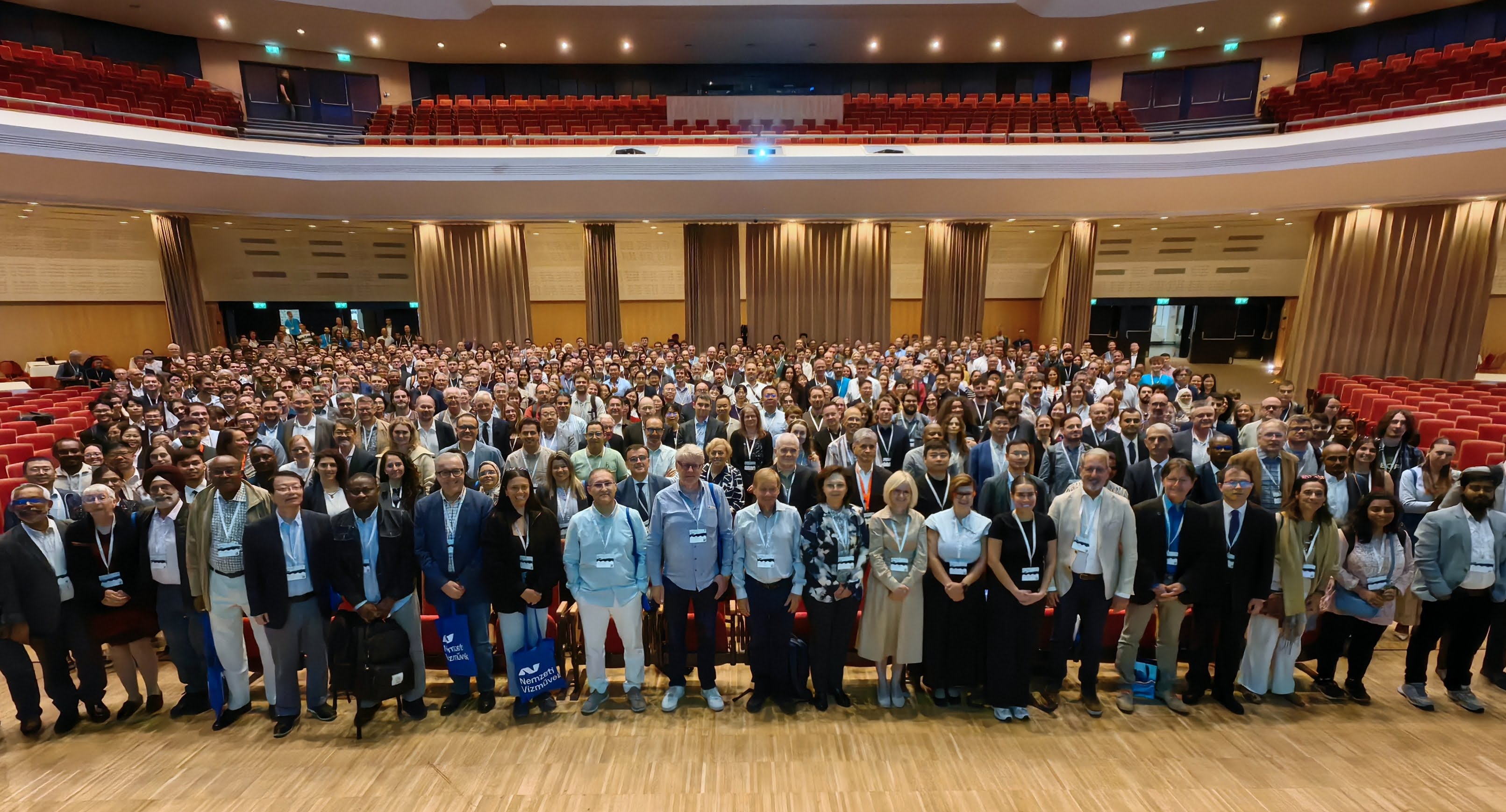
These questions were at the heart of the 53rd IAH World Congress, whose main theme was “Groundwater – A Key Multi-Resource” – highlighting groundwater as an essential and versatile resource. One of the world’s most significant hydrogeology events returned to Hungary after half a century. The congress brought together researchers, engineers, water professionals, decision makers, industry representatives, and international organizations.
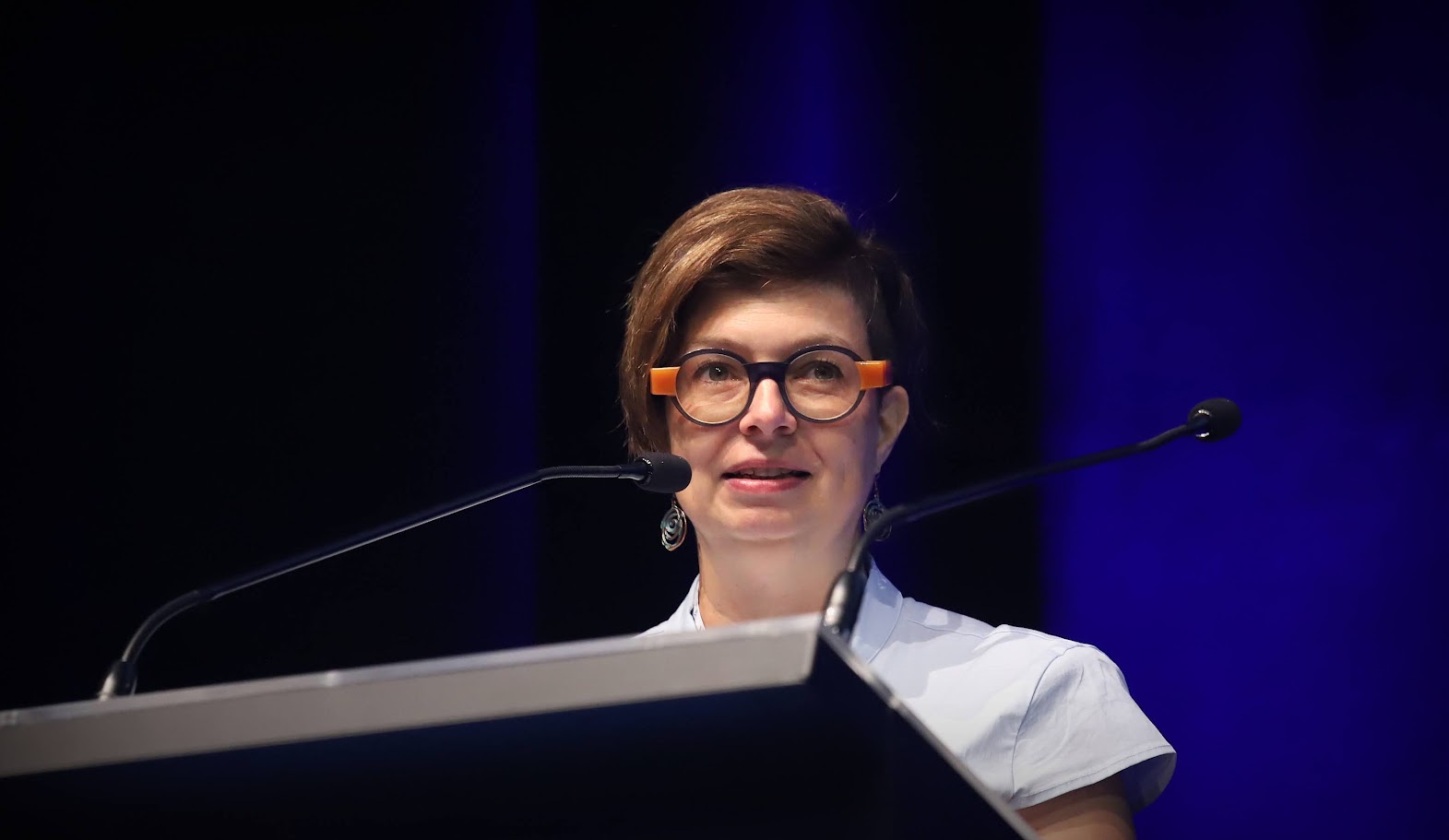
“Groundwater may have never been as important as it is today. Raising the profile of hydrogeology is, therefore, more vital than ever. Groundwater is invisible, and too often remains unseen even outside the academic community,” said Anita Erőss, chief organizer of the congress. She emphasized that hydrogeologists’ duties are not just to expand scientific knowledge but to communicate it in ways that inform, involve, and inspire society.
Where science and decision-making meet
At the opening, Anita Orbán, Minister of Foreign Affairs, spoke about the strategic importance of groundwater. “Groundwater is especially vital for Hungary, as nearly 95 percent of water extracted for drinking purposes comes from groundwater resources,” she noted. She stressed that protecting groundwater resources is increasingly important due to drought, residential, agricultural, and industrial water needs, and pollution risks, highlighting the indispensable expertise of hydrogeologists in ensuring water security.
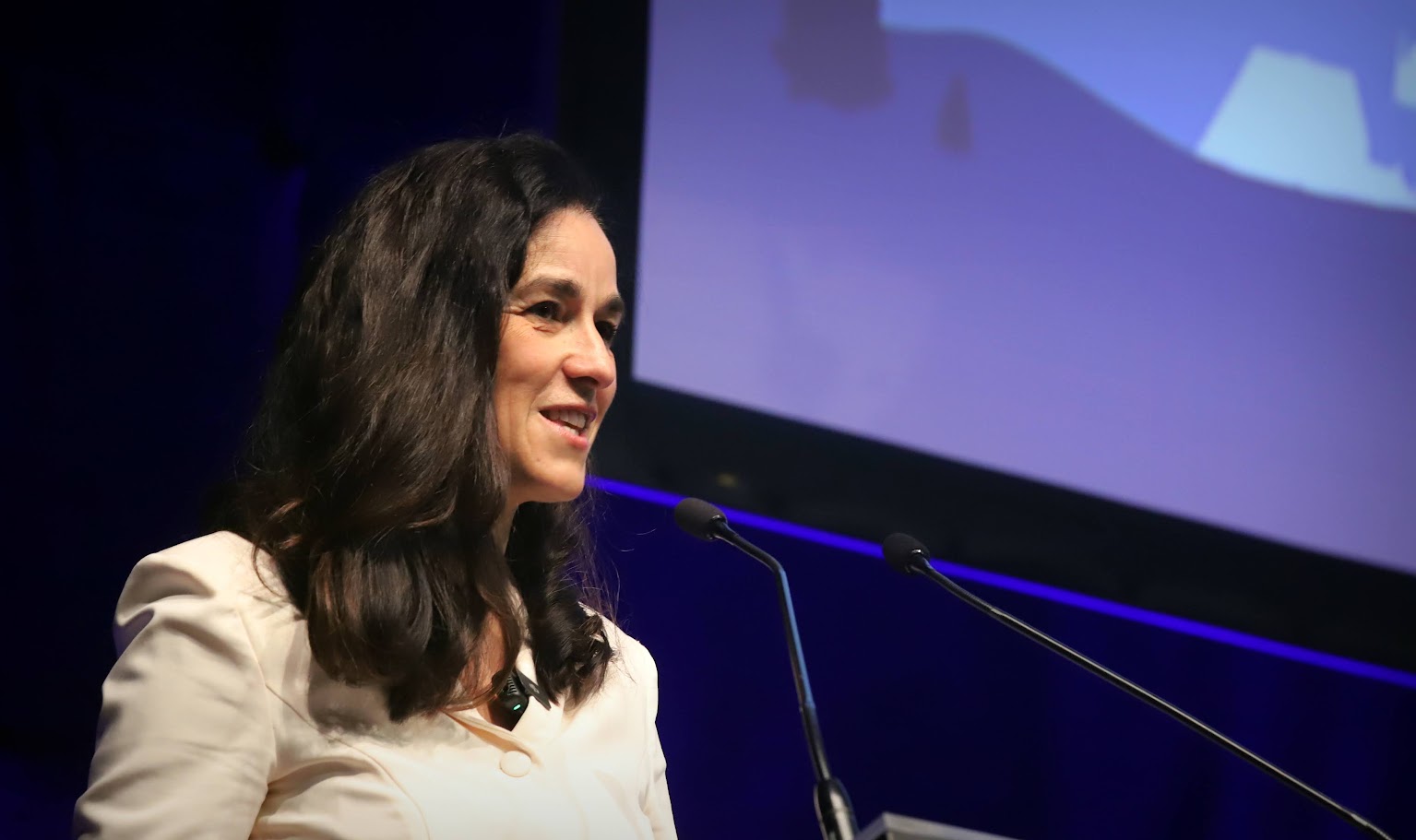
“The scientific community also plays a significant role: it draws decision makers’ attention to issues, supports data-driven policymaking, pioneers innovative solutions, and shares its knowledge and experience worldwide,” she said.
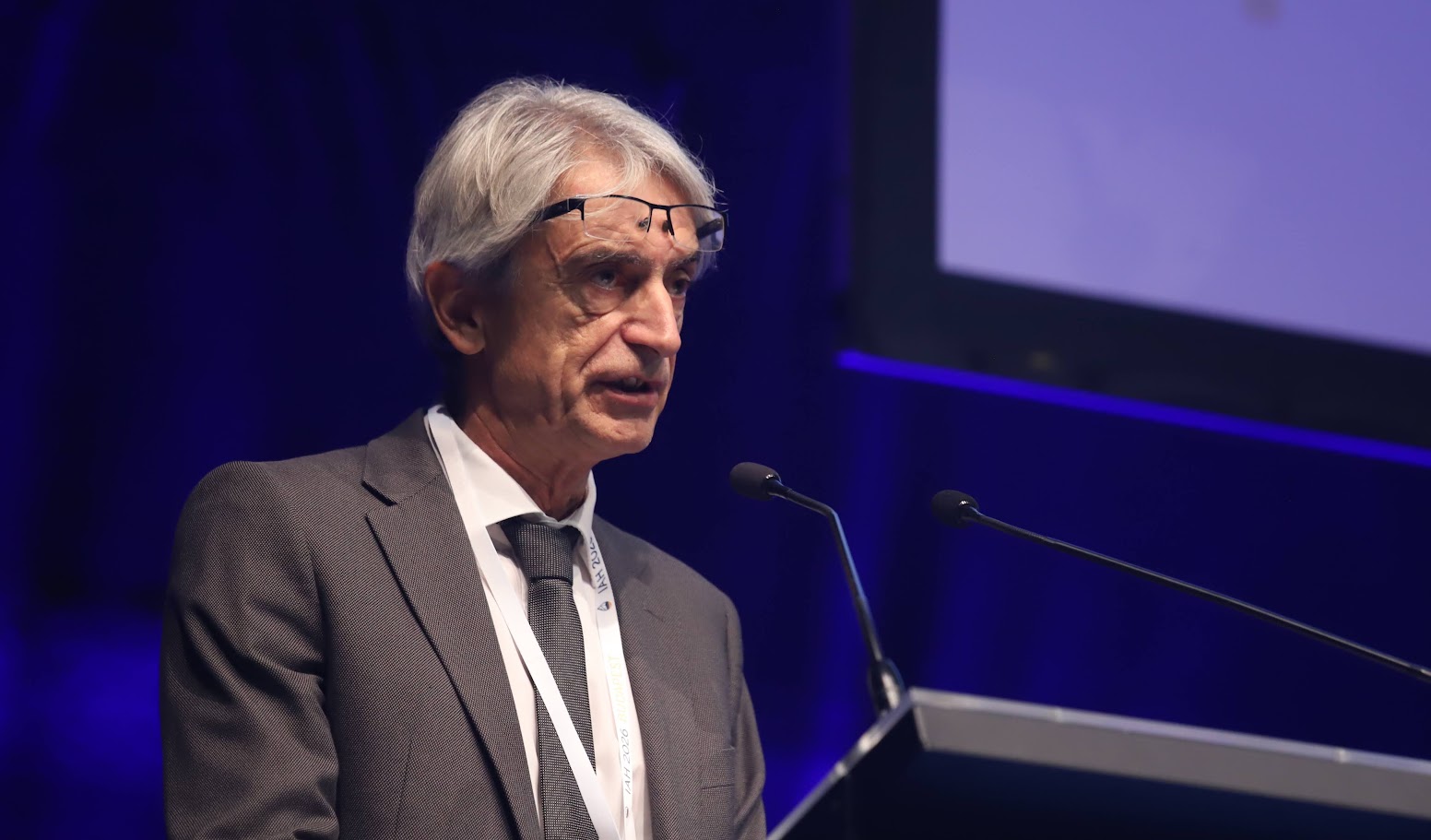
Mihály Pósfai, President of the Hungarian Academy of Sciences, said that the accessibility, quality, and unequal distribution of water have become decisive scientific and societal challenges. He recalled that in the 1980s, one of his professors remarked: the most important task of future geologists would be to find water. At the time, this didn’t seem particularly likely, as Hungary was considered a water-rich country, but after this year’s drought-ridden summer, the prediction is seen differently. In connection with the congress, he stressed the increasingly important links among science, education, water policy, and practical water management.
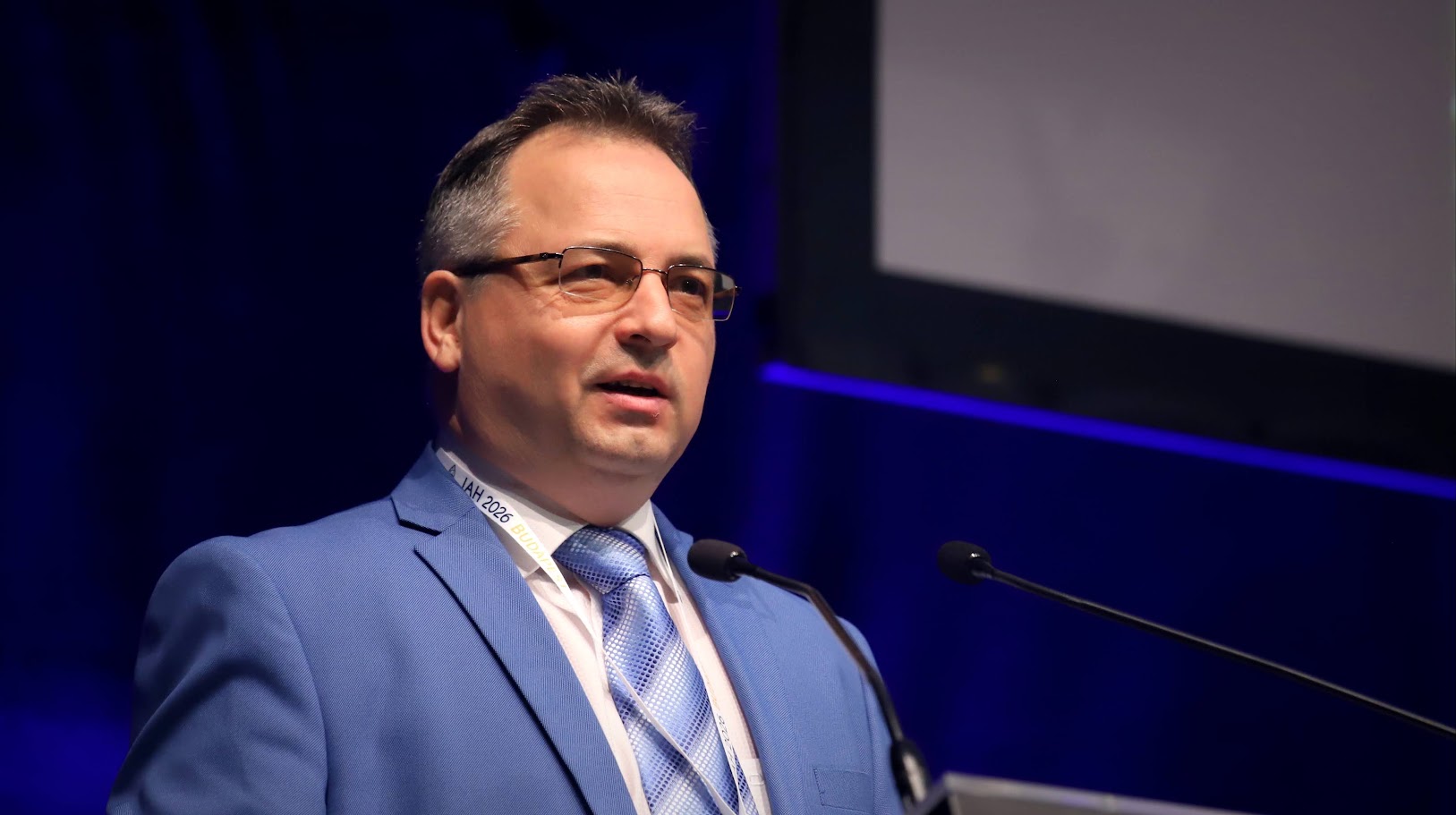
Balázs Horváth, Deputy State Secretary for Water Affairs at the Ministry for the Living Environment, spoke about the significance of groundwater and the challenges of water retention in Hungary. He described groundwater as “one of our most valuable yet least visible natural resources,” emphasizing that climate change is putting increasing pressure on water reserves. He noted that Hungary is developing a new concept and action plan for water retention, focusing on nature-based solutions and keeping water in the landscape. “Water needs to stay in the landscape as long as possible, and we must use it more efficiently,” he said.
Lénárd Darázs, Rector of ELTE, spoke about the growing significance of sustainability and water issues. He stressed that scientifically-based understanding and responsible solutions are needed for water problems. He also highlighted the importance of approaching water issues in a multi-faceted way.
At the congress, participants discussed current research results and practical experiences concerning groundwater across more than thirty sections and numerous plenary lectures. Topics included the relationship between climate change and water resources, aridification, groundwater recharge and monitoring, joint management of surface and groundwater, assessment of pollution, geothermal energy, and the use of new digital and AI-based methods.
Hungarian hydrogeology tradition, international cooperation
The congress in Budapest was also an important event marking the international recognition of Hungarian hydrogeology. The IAH World Congress last visited Hungary in 1976, so the event returned to the country after fifty years.
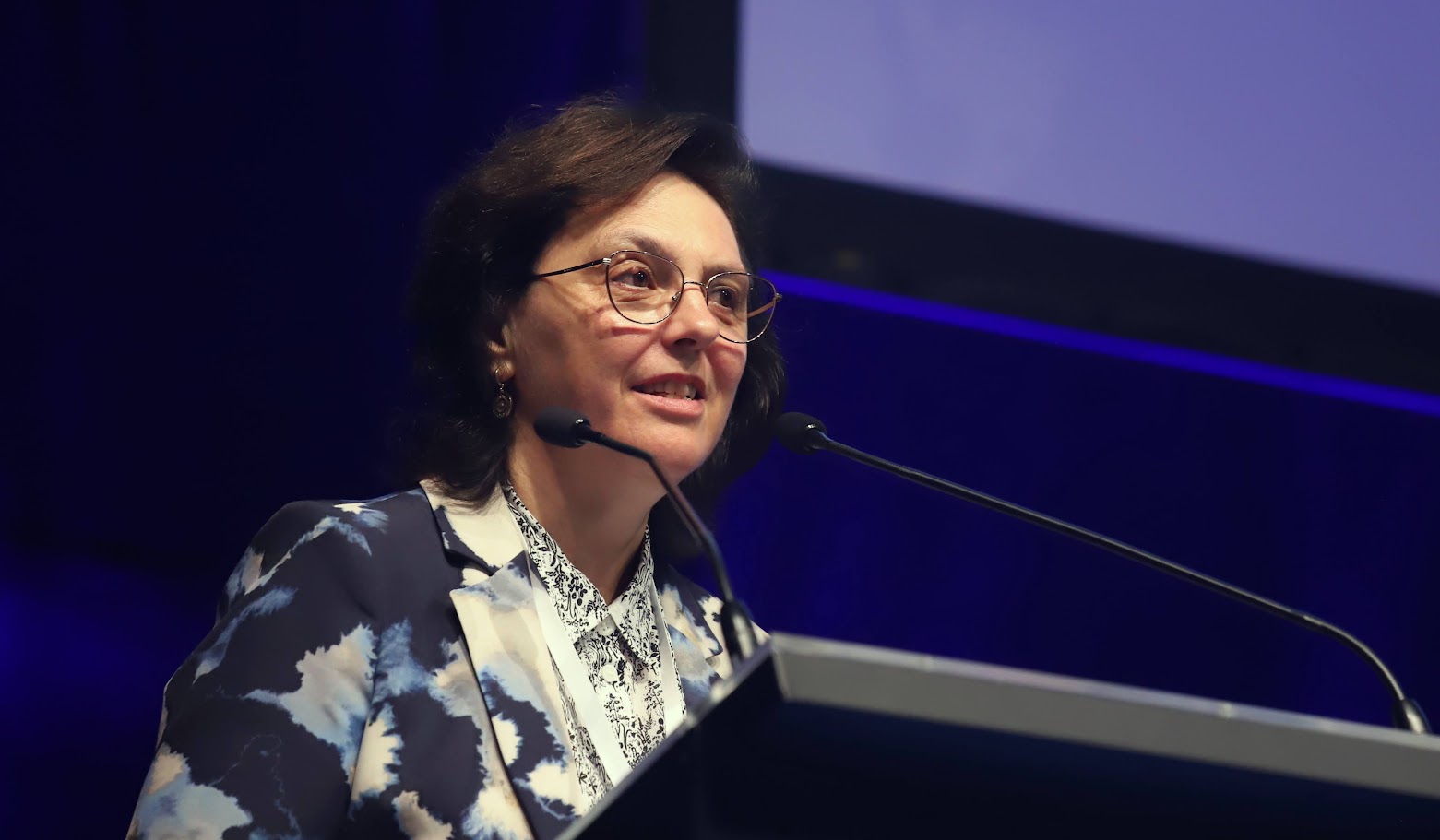
Teodóra Szőcs, President of the International Association of Hydrogeologists (IAH), noted that the Budapest congress is a special occasion in the IAH’s history: since the foundation of the Hungarian national chapter in 2006, organizing a world congress in Hungary has been a long-standing goal. She also emphasized the role of groundwater in water, food, and energy security, and spoke about initiatives linked to the IAH for the 2026 UN Water World Conference.
Judit Szőnyi, Vice-Rector for General Affairs of ELTE and Chair of the IAH 2026 Scientific Committee, remembered her late mentor, internationally renowned hydrogeologist József Tóth, who passed away in the summer of 2026 in Edmonton. She said that as one of the defining hydrogeologists of the 20th century, Tóth fundamentally reshaped scientific thinking about groundwater with his theory on groundwater flow systems. For more than three decades, Tóth supported Hungarian hydrogeology, helped the local school of hydrogeology flourish, and played a key role in connecting Hungarian hydrogeologists to the international community. Judit Szőnyi emphasized: his legacy lives on in research, teaching, and water management. As part of the tribute, the audience watched Professor Tóth’s video message — recorded in 2025 for this year’s conference participants.
Researchers and students from the ELTE Faculty of Science, Tóth József and Erzsébet Hydrogeology Professorship played a prominent role in organizing the conference, serving on the scientific committee, and overseeing its implementation. The ELTE Faculty of Science hosted the conference courses and the board meeting. Faculty members and students presented their research findings through numerous oral presentations and posters.
In addition to serving as a meeting place for the IAH professional community, the conference also provided an opportunity to strengthen international cooperation. Groundwater systems extend across national borders, and their management therefore requires international scientific collaboration and knowledge sharing.
One of the key outcomes of the IAH 2026 World Congress was the Budapest Declaration on Groundwater, which highlights the role of groundwater in global water policy.
This initiative is particularly timely ahead of the United Nations Water Conference, which will be held in Abu Dhabi in December.
"We are proud that Budapest can be associated with international water policy not only as the host city of the 53rd IAH World Congress, but also as the city whose name is given to this important message," said Anita Erőss, the congress's chief organizer.
The organization of the World Congress was made possible with the support of numerous sponsors and partners, including the ELTE Excellence Fund and the NKFIH Mecenatúra grant programme. Project No. MEC_SZ 157097 is being implemented with funding from the MEC_SZ_26 grant programme, supported by the National Research, Development and Innovation Fund of the Ministry of Culture and Innovation.
A Kolodko Miniature Statue and the "Olympic Torch"
In connection with Hungary hosting the world's leading professional event dedicated to groundwater, the Hungarian National Chapter of the IAH and the Tóth József and Erzsébet Hydrogeology Professorship Foundation wanted to create a lasting memorial. As part of this initiative, they proposed the creation of a new memorial to Vilmos Zsigmondy that would also appeal to the general public.
The renowned guerrilla sculptor Mihály Kolodko, famous for his miniature statues found throughout Budapest, was commissioned to bring the idea to life. The result is a Kolodko miniature statue depicting Vilmos Zsigmondy, which commemorates both one of the pioneers of Hungarian hydrogeology and Budapest's extraordinary groundwater resources, whose exploration Zsigmondy played a key role in advancing.
A QR code located next to the statue also gives it an educational purpose, allowing visitors to learn about the creation of the statue, Zsigmondy himself, and the little-known world of groundwater.
On the occasion of the Budapest conference, however, a second version of the Kolodko miniature statue was also created specifically for professionals, in addition to the one accessible to the general public. This travelling statue will accompany the Hungarian hydrogeological community to professional meetings from now on.
Another interesting tradition is that hydrogeology world congresses have their own so-called "Olympic torch": a water bottle into which each host country pours a water sample during the congress. For the Budapest congress, this water sample was collected from the well drilled by Vilmos Zsigmondy in Heroes’ Square.